Butterfly Wreath Font Review for Branding Projects
Opening a fresh brand board one morning, I was looking for something that would bring a touch of whimsy to a boutique identity project. The client wanted a logo and supporting materials that felt both creative and approachable. That’s when I first encountered Butterfly Wreath—a decorative font with a gentle charm that immediately caught my eye.
A Whimsical Typeface with Versatile Appeal
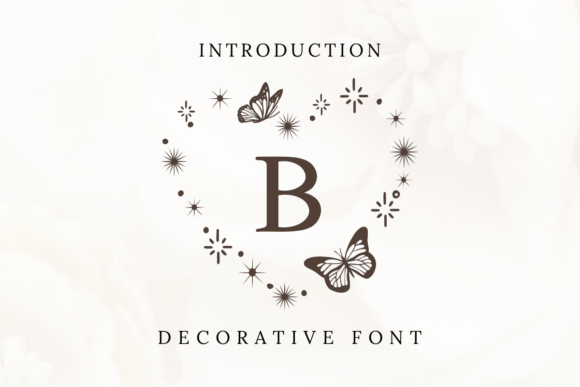
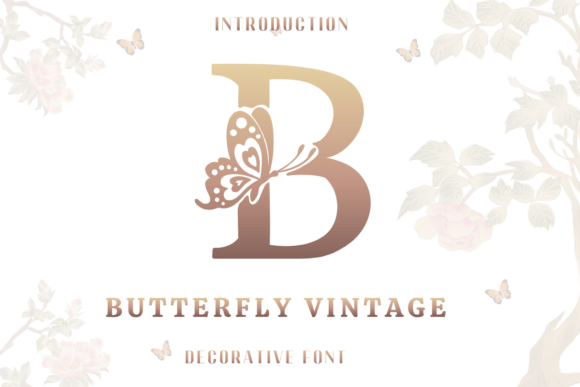
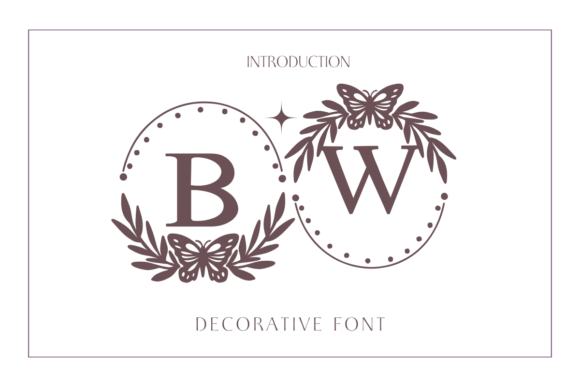
Butterfly Wreath is a decorative font designed to add a soft, artistic flair to any design. Its visual characteristics are defined by delicate curves, subtle flourishes, and a sense of movement that mimics the flutter of wings. It has a playful yet elegant mood, making it suitable for projects that need to feel inviting without being too formal.
The font carries a style that feels handcrafted, almost like a brushstroke on paper. This gives it an organic appeal that can work well in editorial design, packaging, or even as part of a brand identity system for a creative studio or handmade shop.
Testing Butterfly Wreath in Real Design Scenarios
I tested Butterfly Wreath across several branding scenarios. On a logo concept, it worked beautifully as a display font for short phrases or taglines. Paired with a clean sans serif font for body text, it created a balanced contrast that didn’t feel jarring.
On a packaging mockup for a skincare product brand, the font added a touch of elegance to product labels and outer boxes. It looked especially good on a hero section of a website header, where it drew attention without overwhelming the rest of the content.
When used on business cards and social media layouts, Butterfly Wreath brought a unique personality to the design. It felt more personal than some other decorative fonts I’ve used before, which made it ideal for small businesses or creators who want their brand to stand out with character.
Where Butterfly Wreath Shines Best
Butterfly Wreath excels as a display font, headline font, or accent font. It works particularly well for short phrases, logos, and brand assets that require a decorative touch. However, it may not be the best choice for long-form body text due to its stylized nature.
For example, it looked great on a banner for a local café refresh, but when I tried using it for a paragraph of copy on a flyer, the readability dropped significantly. This makes it less ideal for projects that rely heavily on extended text, such as newsletters, brochures, or formal corporate documents.
It also performs well when paired with a complementary typeface. A serif font like Georgia or a modern sans serif like Helvetica Neue can help balance the decorative elements of Butterfly Wreath, ensuring the design remains legible and professional.
Design Considerations and Practical Tips
If you're considering Butterfly Wreath for your next project, it's important to test it thoroughly before committing to final designs. Try it on different surfaces—like a shop sign, a printed card, or a digital ad—to see how it behaves under various conditions.
Also, keep in mind that while it's a decorative font, it may not support all languages or have advanced typographic features like ligatures or swashes. Be sure to review the included styles and file formats, especially if you plan to use it in web design or print-on-demand products.
Before using Butterfly Wreath in client work, always check the commercial licensing terms. Some fonts require specific permissions for use in branding, packaging, or digital assets. Ensuring compliance will save time and avoid potential issues down the line.
Overall, Butterfly Wreath is a versatile decorative font that adds a unique aesthetic to branding projects. Whether you're designing a greeting card, a banner, or a product label, it brings a sense of creativity and warmth that can enhance the visual storytelling of your brand.