Flying Butterfly Font for Web Design
There’s something about a well-chosen typeface that can elevate a website from functional to unforgettable. I recently had the chance to test Flying Butterfly, a decorative font with a whimsical charm, and it made an instant impression in my latest web project—a boutique online store selling handmade candles and natural skincare products. From the first moment I applied it to a hero section, I knew this font could bring a unique personality to digital spaces.
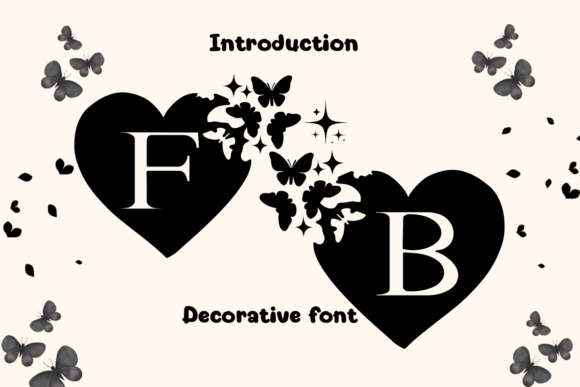
Flying Butterfly is a display font with delicate curves and soft edges, reminiscent of a handwritten script but with a polished elegance. It feels like a gentle whisper on the screen, perfect for capturing attention without overwhelming the viewer. Its visual character is playful yet refined, making it ideal for creative brands looking to stand out in a crowded digital landscape.
Perfect for Hero Sections and Call-to-Actions
I tested Flying Butterfly in the hero section of the candle shop site, placing it over a full-screen image of a glowing jar resting on a wooden table. The font paired beautifully with the warm tones of the background, creating a sense of calm and luxury. The words “Handcrafted Candles” stood out clearly, guiding the user’s eye naturally toward the call-to-action button below.
What I loved most was how Flying Butterfly performed on mobile devices. Even at smaller sizes, the letters remained legible and retained their charm. This is crucial for responsive design—ensuring that your brand message remains clear no matter the screen size.
Styling Tips for Web Use
When working with decorative fonts like Flying Butterfly, pairing them with a clean sans serif or simple serif font is essential for readability. I chose a light-weight sans serif for body text, allowing Flying Butterfly to shine as a headline font without competing with the supporting content.
For example, in the product landing pages, I used Flying Butterfly for titles like “Scented Serenity” and “Evening Glow,” while keeping descriptions in a neutral, easy-to-read font. This contrast helped maintain visual hierarchy and ensured users could quickly scan through the information without feeling overwhelmed.
It's also important to consider the background when using Flying Butterfly. On dark backgrounds, I found that adding a subtle white or light gray stroke to the text improved legibility. This small adjustment made a big difference in how the font was perceived across different sections of the site.
Where Flying Butterfly Shines Online
Flying Butterfly is best suited for short phrases, headlines, and decorative accents rather than long paragraphs. I used it for promotional banners, blog headers, and even in a digital brand kit that included social media graphics and email templates. Each time, it added a touch of personality and creativity that aligned perfectly with the brand’s aesthetic.
One of my favorite applications was in a campaign landing page where the font was used for the main headline: “Discover Your Signature Scent.” The elegant curves of Flying Butterfly complemented the imagery and created a cohesive, inviting experience for visitors.
However, it’s worth noting that Flying Butterfly may not be the best choice for dense content areas, such as form labels or navigation menus. Its decorative nature can make it less readable in these contexts, so it's best reserved for display purposes only.
Font Pairing and Accessibility Considerations
When integrating Flying Butterfly into a web design, always ensure that the font supports the languages and characters you need. Checking for multilingual support and commercial licensing is especially important if you're planning to use it on client projects or sell digital assets.
I recommend testing Flying Butterfly with a few different font pairings before finalizing your design. A bold sans serif like Montserrat or a modern serif like Playfair Display can create a balanced look that feels both professional and artistic.
Accessibility is another key consideration. While Flying Butterfly adds visual interest, it should never compromise usability. Always provide alternative text for images and ensure that all interactive elements are clearly labeled with accessible fonts for screen readers.
In summary, Flying Butterfly is a versatile decorative font that brings warmth and creativity to web design. Whether you’re building a boutique online store, a coaching website, or a course sales page, this font has the potential to enhance your brand identity and engage your audience in a meaningful way.