Happy Book Font for Branding Projects
I was recently handed a blank brand board by a client who wanted to launch a new boutique coffee shop. The goal was to create a warm, inviting visual identity that felt personal and approachable. As I started exploring typography options, Happy Book caught my eye. It’s a dingbats font with a playful yet refined feel, and I knew it could bring the right kind of charm to this project.
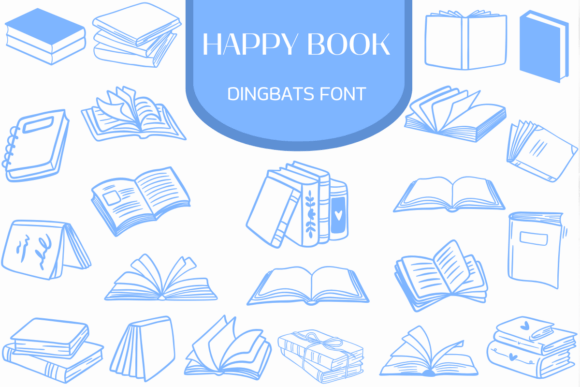
Happy Book has a unique visual character—its glyphs are stylized, almost like illustrations, which makes it stand out from traditional typefaces. It feels handcrafted, with soft curves and whimsical details that suggest creativity and joy. This kind of personality is perfect for brands that want to communicate warmth and individuality without being too serious or corporate.
I first tested Happy Book on a logo draft. The name of the café was “Brew & Bloom,” and I wanted something that suggested both coffee and flowers. Using Happy Book as the primary text gave the logo a friendly, memorable touch. It wasn’t too busy, but it had enough visual interest to make the brand feel unique.
Next, I experimented with Happy Book in packaging mockups. The idea was to use it for labels on mugs, tote bags, and even small gift cards. It worked beautifully on these surfaces. The font’s design didn’t overpower the product, but it added a nice layer of personality. For example, using Happy Book on a mug label with the phrase “Good Morning” made the product feel more personal and thoughtful.
One thing I noticed early on was how well Happy Book balanced playfulness with readability. Even though it’s a dingbats font, it doesn’t sacrifice legibility. That’s important when you’re working with short-form text, like social media posts or website headers. It’s not a font you’d use for long paragraphs, but it shines in headlines, callouts, and decorative elements.
I also considered how Happy Book would work alongside other fonts. Pairing it with a clean sans serif font, like Helvetica or Arial, created a nice contrast. The combination felt modern yet nostalgic, which fit the café’s vibe perfectly. Using Happy Book as an accent font in posters or flyers helped draw attention to key messages without overwhelming the viewer.
Another practical consideration was the file formats available for Happy Book. Since it’s a commercial font, I checked the licensing terms to ensure it could be used across different platforms and materials. It came with standard OTF and TTF files, which were easy to integrate into design software. The font also supported multiple languages, which was helpful if the café ever expanded its reach beyond English-speaking customers.
As I moved through the branding process, I found that Happy Book worked best as a display font. It wasn’t suitable for body text, but it excelled in logos, banners, and promotional materials. Its visual appeal made it ideal for creating branded merchandise like shirts, stickers, and even custom signage. When paired with a more straightforward supporting font, it helped maintain a cohesive brand look while adding a touch of fun.
I also tested Happy Book on digital templates. For the café’s website, I used it in the hero section with a bold headline. It looked great against a neutral background and helped set the tone for the entire site. On Instagram posts, it worked well for captions and hashtags, giving them a more personal, creative edge.
One challenge I faced was ensuring consistency across all brand materials. While Happy Book added character, I had to be careful not to overuse it. I limited it to specific elements—like logos, headings, and accents—to keep the design professional and readable. This approach helped maintain a balance between creativity and clarity, which is essential for any brand identity.
Overall, Happy Book proved to be a versatile tool in this project. Its ability to blend playfulness with professionalism made it a great choice for a boutique café looking to stand out. Whether used on packaging, digital assets, or printed materials, it consistently delivered the right kind of visual impact without compromising the brand’s message.
If you're working on a branding project that needs a touch of personality, consider Happy Book. Test it in different contexts, pair it wisely, and use it where it can shine—headlines, logos, and decorative elements. With the right approach, it can help your brand feel more human, more engaging, and more memorable.